


- Best Seller
- Best Seller
-

 -28%Spara 28%
















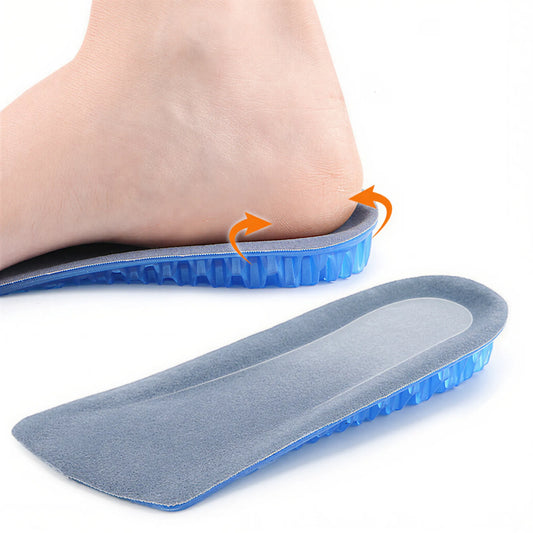

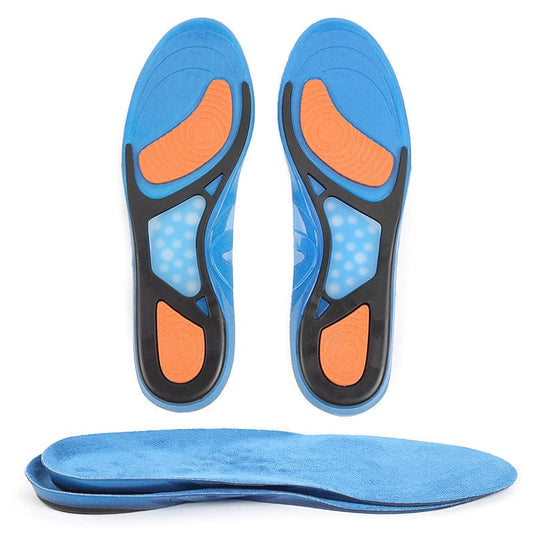

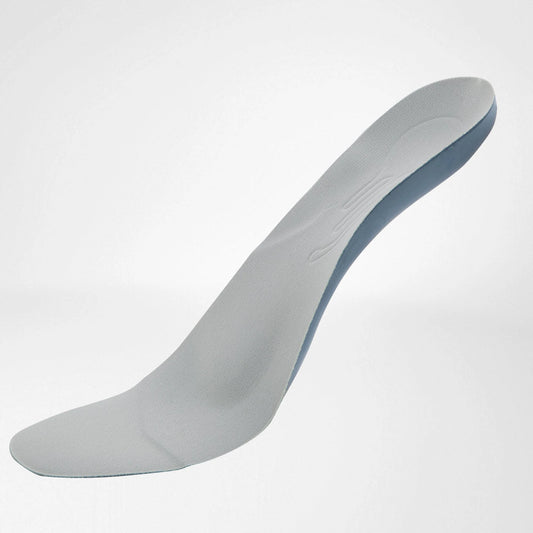
What are orthopedic insoles?
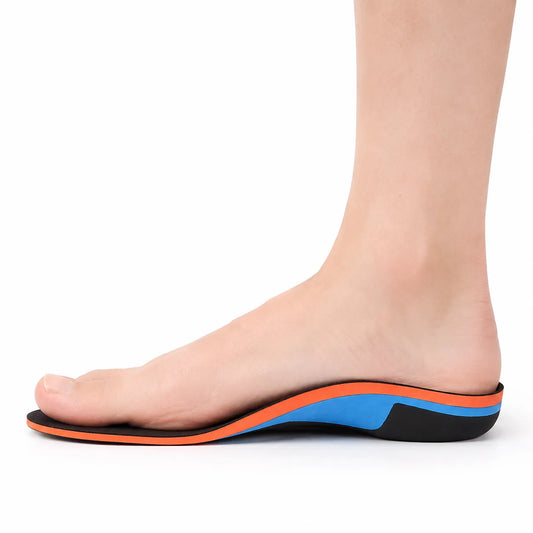
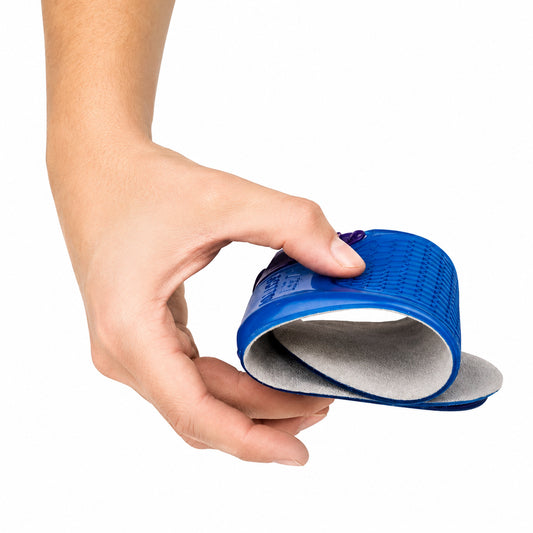
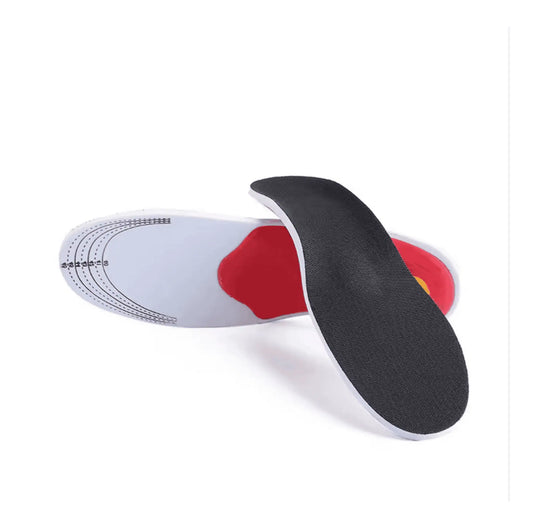
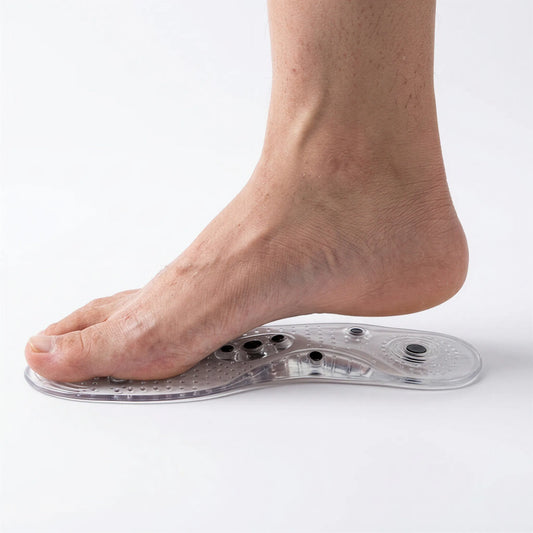
Orthopedic insoles, or shoe inserts, are placed inside the shoe and designed to support the foot's natural structure. The goal is to create more even weight distribution and reduce pressure on areas that would otherwise become overloaded.
For example, they can help to:
- Support the arch
- Distribute pressure more evenly
- Correct misalignments
- Reduce strain when walking and during activity
Some insoles are pre-shaped and fit most people, while others are more tailored to specific needs. Which type is right for you depends on your symptoms and how you place weight on your feet in everyday life.
When do you need orthopedic insoles?
Many people experience foot pain at some point without really understanding why. It is often due to uneven weight distribution or insufficient support in the foot.
Orthopedic insoles are often used for problems such as:
- Heel spurs and heel pain
- Overpronation or flat feet
- High arches
- Forefoot pain (metatarsalgia)
- Shin splints
- Knee, hip, or back pain
What these problems often have in common is that they result from how the foot bears weight - and the right insole can make a significant difference.
How orthopedic insoles work
When the foot bears weight incorrectly, uneven pressure often develops. This can cause certain parts of the foot to become overworked, which in turn creates pain and discomfort.
Orthopedic insoles help by guiding the foot into a more natural position. They support the foot's structure, relieve sensitive areas, and improve the body's posture.
The result is often that:
- Pressure under the foot is reduced
- Weight is distributed more effectively
- The body works in a more balanced way
This means that pain may decrease not only in the feet - but also in the knees, hips, and back.
Benefits of orthopedic insoles
Using orthopedic insoles is not only about reducing pain, but also about improving how the body functions in everyday life.
For example, you may experience:
- Less pain and fatigue in the feet
- Greater comfort when walking and working
- Increased stability and balance
- Reduced strain on the joints
- A more natural posture
Which insole should you choose?
There are many different types of orthopedic insoles, and the best choice depends on your needs.
For example, if you have problems with your arch, firm support may be right for you, while forefoot pain often requires more cushioning in that specific area. For some people, a thin insole is sufficient for everyday use, while others need more substantial options for exercise or prolonged weight-bearing.
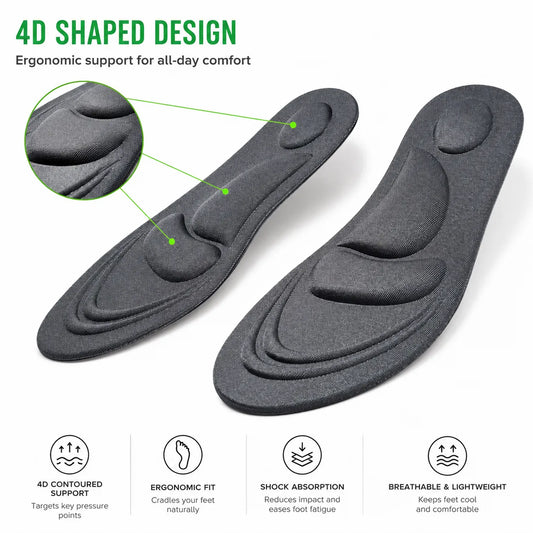
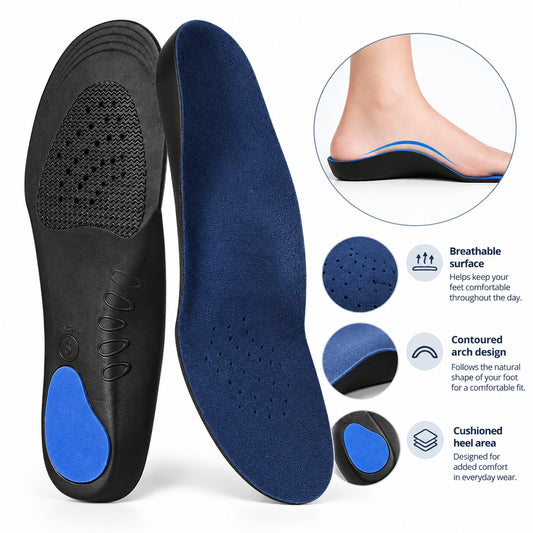
An effective option is ergonomic shoe inserts with arch support , which help stabilize the foot and improve weight distribution throughout the day.
The most important thing is that the insole helps the foot work more naturally - not that it feels as much as possible.
Why the right support matters
The feet are the body's foundation. If they do not receive the right support, it can affect your entire movement - from how you walk to how the rest of your body bears weight.
Orthopedic insoles are a simple way to improve that balance. By relieving pressure on and stabilizing the foot, you can reduce pain, prevent problems, and enjoy greater comfort in everyday life.