


-
Spara 12%
- Best Seller
- Bestseller









How to choose the right support and self-care
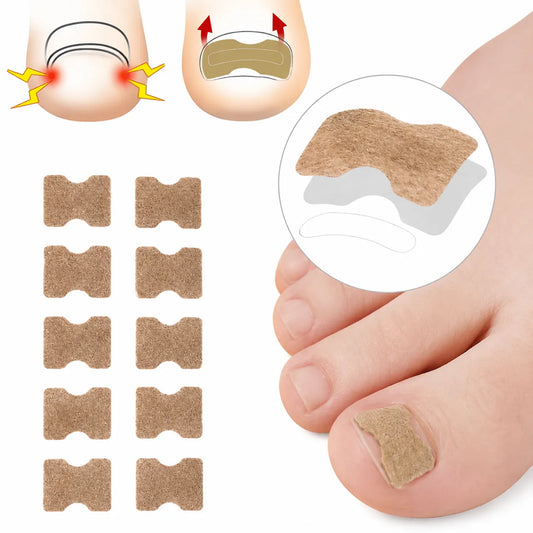
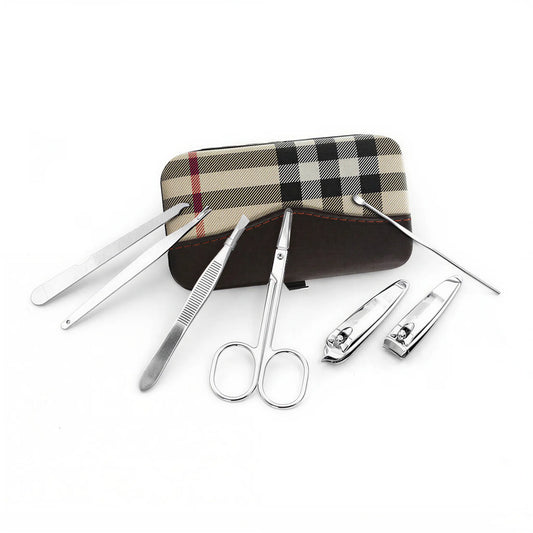
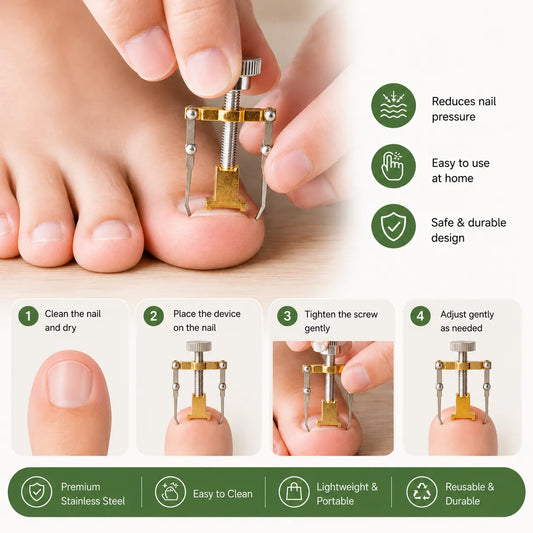
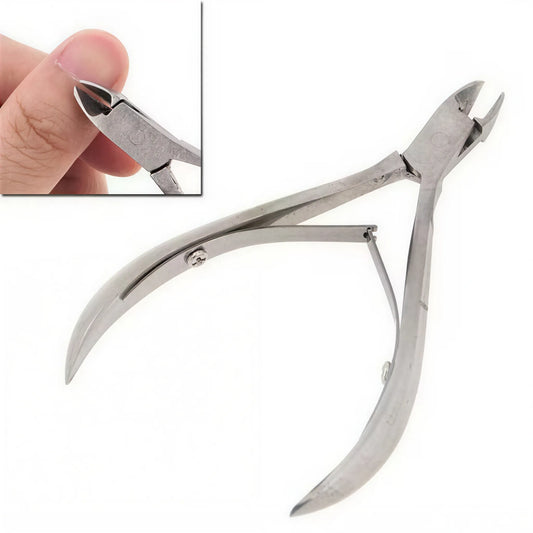
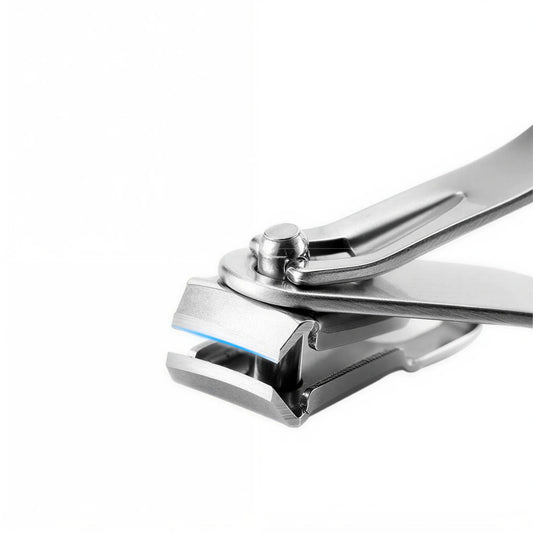
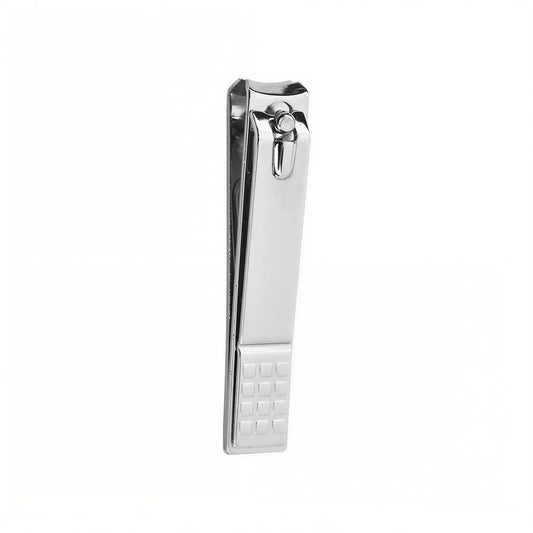
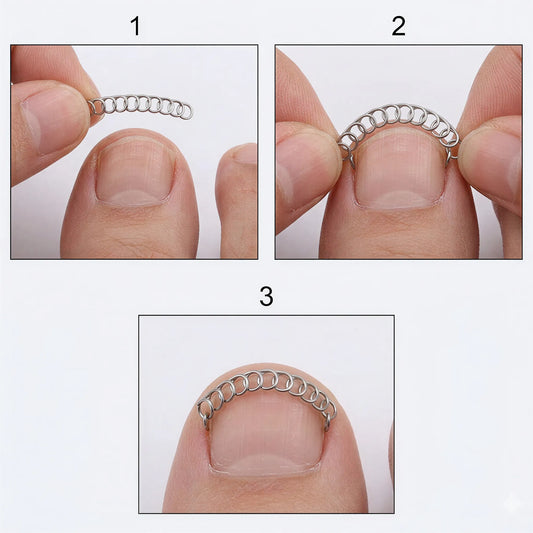
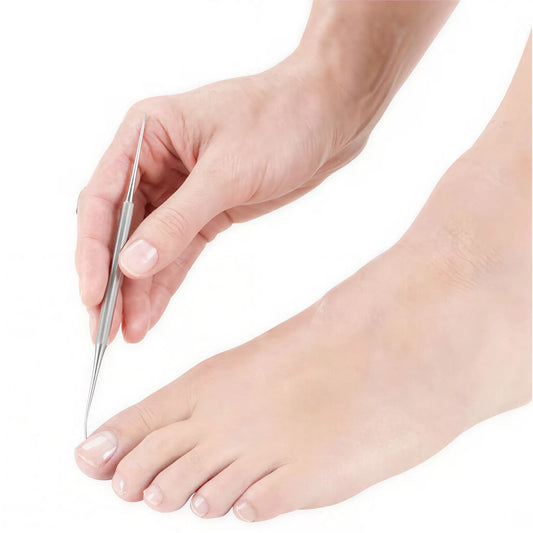
Start by reducing pressure on the nail edge and keeping the area clean and dry. Cut the nail straight across, not too short, and file away sharp corners. Make the middle of the nail plate slightly thinner so the edges can be lifted more easily. A corrective silicone protector or brace can relieve pressure from the sides and help the nail grow correctly, especially in shoes.
For mild irritation, a lukewarm foot bath followed by cleaning can soothe the symptoms. Use corrective tape to gently pull the skin away from the nail edge while it heals. Choose roomy shoes with plenty of toe space and breathable socks. Seek medical care if pus develops, pain increases, redness spreads, or self-care does not help. If you have diabetes, reduced circulation, or a weakened immune system, you should contact a healthcare provider early.
Why the solutions work
- Relieving pressure reduces pressure on the nail edge and often eases pain within the first few days
- Early self-care is sufficient in many mild cases
- Corrective aids such as braces, tape, and silicone protectors guide nail growth gently
- A comprehensive approach with tools for trimming and pressure relief provides a clear routine
- The products can be used both in everyday shoes and at home
Frequently asked questions
How can you get rid of an ingrown toenail yourself?
For mild symptoms, you can treat it at home for a few days. Soften the nail in a lukewarm foot bath, carefully file away sharp edges, and use corrective tape or a brace to relieve pressure on the nail edge. Clean the area with soap and water and protect the toe with a soft dressing. Wear roomy shoes while it heals. Stop self-care and seek medical attention if the pain or redness worsens or if pus develops.
Can an ingrown toenail go away on its own?
Mild cases may settle down when pressure is reduced and the nail is allowed to grow out properly, provided that you relieve pressure, keep the area clean, and trim the nail correctly. Without treatment, the symptoms may persist or worsen, especially if an infection develops. If there is pus, increasing pain, spreading redness, or no improvement from self-care within a week, you should contact a healthcare provider.
How do you know if it is an ingrown toenail?
Typical signs include tenderness and pressure pain along the side of the nail, redness and swelling around the nail edge, and sometimes throbbing pain or pus. The symptoms most often occur on the big toe. If you have severe pain, pus, diabetes, or reduced circulation, you should seek medical care promptly.