








What is Hallux valgus?
Hallux valgus, also known as a bunion, is a foot deformity in which the big toe angles inward toward the other toes. This causes a lump or growth on the inside of the foot at the base of the big toe.
Hallux valgus can cause pain, discomfort, and sometimes swelling around the affected bunion. Shoes can often press on the area, making it difficult to find comfortable footwear.
Common symptoms of hallux valgus
The most common symptoms of hallux valgus include:
- Pain at the base of the big toe
- Swelling and redness around the bunion
- Difficulty finding well-fitting shoes
- Fatigue and pain in the foot when bearing weight
The pain commonly worsens during prolonged standing or walking.
Why do people develop hallux valgus?
Hallux valgus can be caused by several factors, including:
- Genetics and hereditary factors
- High heels or tight shoes
- Overuse and an improper walking pattern
- Osteoporosis or other foot problems
How to relieve discomfort caused by hallux valgus
To relieve pain and prevent the condition from worsening, you can use proper foot support. It may be important to:
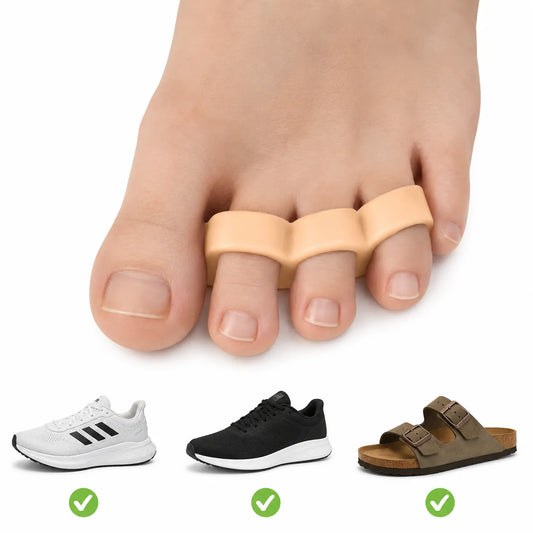
- Use custom toe separators to realign the toes
- Choose shoes with a wide toe box to reduce pressure on the toes
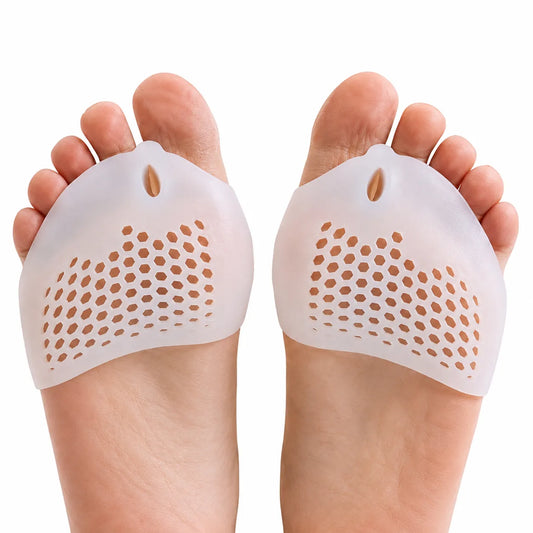
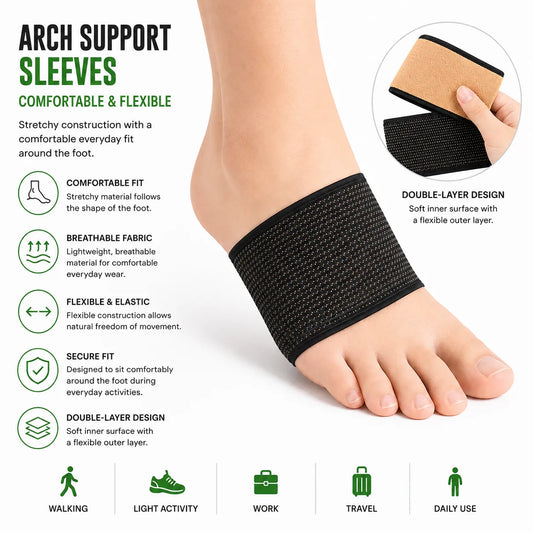
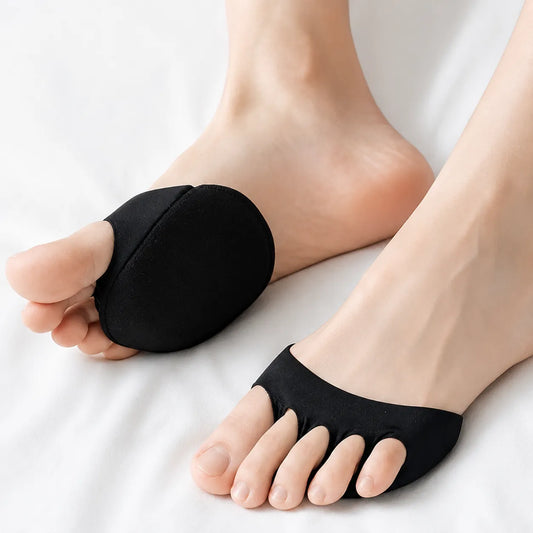
- Reduce strain by using orthopedic insoles or arch supports
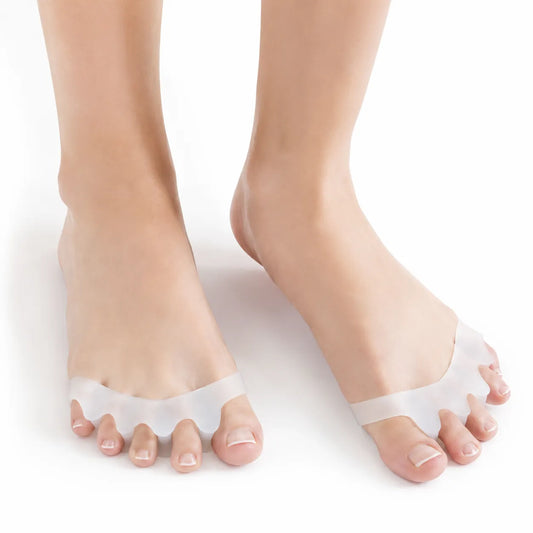
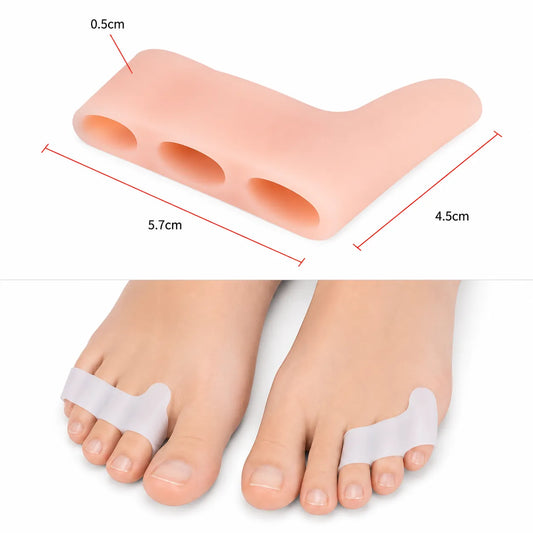
An example of a product that helps separate the toes and relieve symptoms is Toe separator for Hallux valgus , which helps adjust the position of the toes and reduce pain and discomfort.
What helps most with Hallux valgus?
The most effective treatments include a combination of pressure relief, toe separation, and the right shoes.
Common solutions include:
- Toe separators to adjust the position of the toes
- Orthotic insoles that support the arch
- Shoes with a wide toe box and good cushioning
The aim is to reduce pressure on the toes and create a more balanced walking pattern.
How long does it take to recover?
Hallux valgus is a long-term condition that may require patience to manage. With the right treatment, you can relieve the pain and prevent the condition from worsening, but full recovery may take time.
When should you seek medical care?
You should seek medical care if:
- The pain does not go away
- The symptoms affect your daily life and activity level
- You experience numbness or reduced mobility in your toes
Frequently asked questions about Hallux valgus
What is Hallux valgus?
Hallux valgus is a deformity in which the big toe angles inward toward the other toes, leading to a bump on the inside of the foot.
What does Hallux valgus feel like?
It often feels like pain at the base of the big toe, often accompanied by swelling and a bump on the inside of the foot.
What helps fastest?
Using toe separators, orthotic insoles, and the right shoes often provides the fastest relief.
Can you exercise with Hallux valgus?
Yes, but it is important to avoid activities that cause pain or increase pressure on the toes.
Do you have to have surgery?
No, most people find relief through self-care. Surgery is only recommended for more severe symptoms.
Read more: Information about Hallux valgus on 1177