


- Best Seller
- Best Seller
- Best Seller
- Best Seller
- Best Seller
- Best Seller
- Best Seller



































When do you need a knee brace?
Knee problems are common and can arise both suddenly and over time.
Common causes include:
- Overuse during exercise or work
- Runner's knee and jumper's knee
- Instability in the knee joint
- Meniscus injuries and ligament problems
- Osteoarthritis and stiffness
- Swelling or inflammation
Since the knee is central to movement, problems often affect both everyday life and physical activity.
How a knee support works
A knee support or knee brace works by providing compression, stability, and relief to the knee joint.
It can help to:
- Stabilizes the knee joint during movement
- Reduces pain and discomfort
- Relieves strain on muscles, ligaments, and tendons
- Improves circulation and reduces swelling
- Limits movements that could worsen the injury
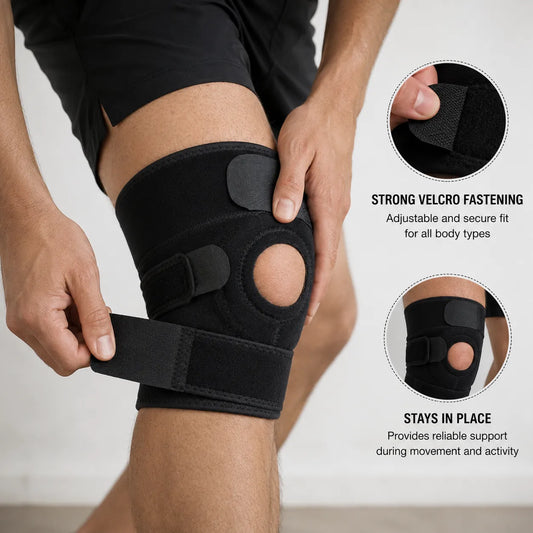
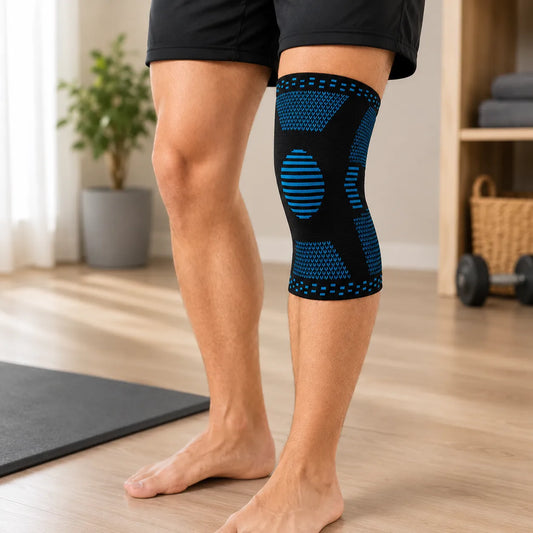
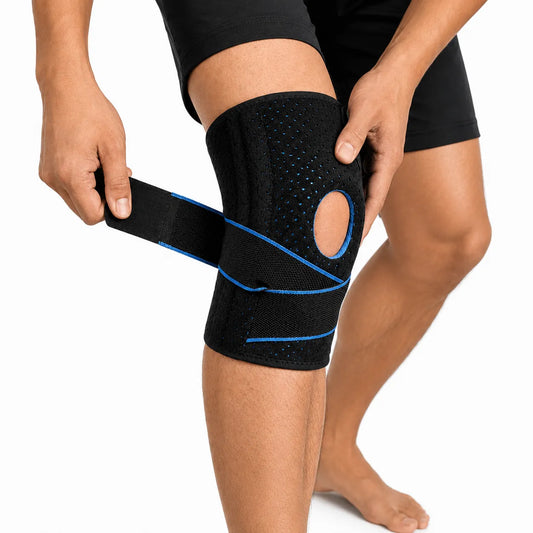
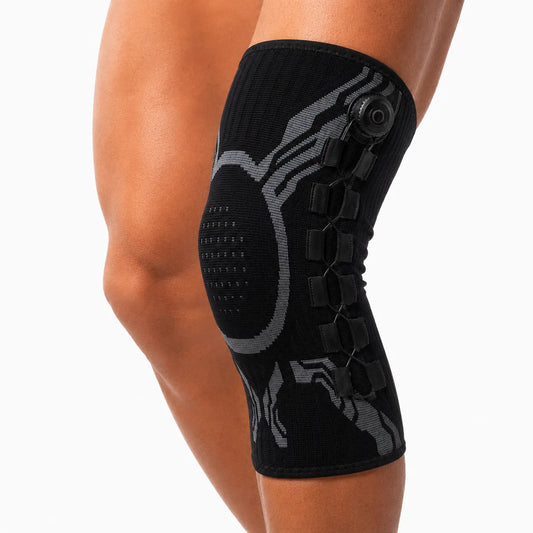
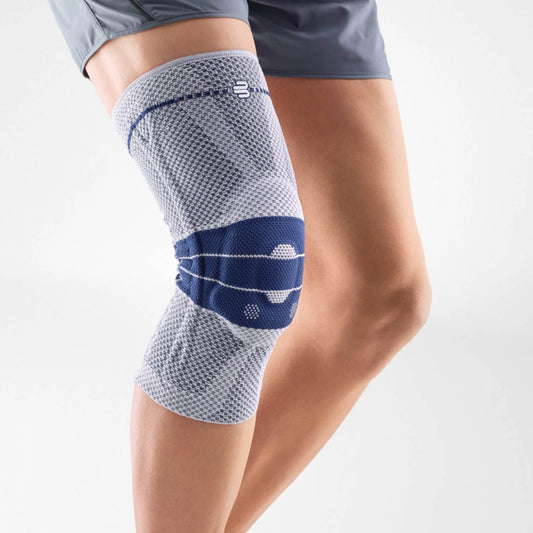
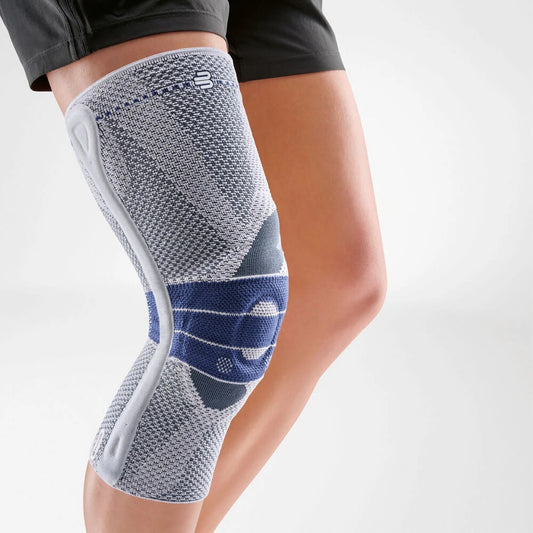
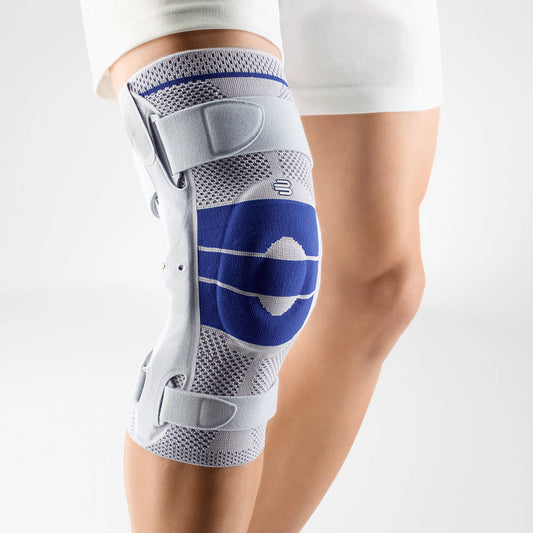
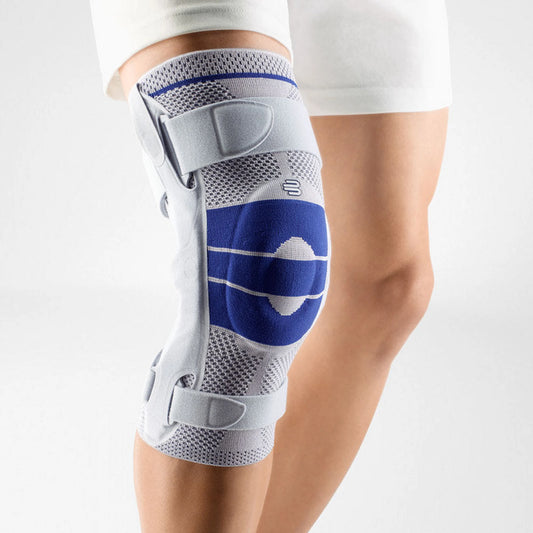
For more severe problems, wrist supports with a splint are often used to provide extra stability and relief. An example of a knee brace with springs is useful for supporting the knee joint during physical activity.
Benefits of knee supports in everyday life
Using a knee support can make a big difference to both function and comfort.
You may experience:
- Increased stability in the knee
- Less pain during activity
- More confident movement in everyday life
- Better support during exercise
- Faster recovery after an injury
Many people use knee supports both during rehabilitation and to prevent recurring problems.
Which knee support should you choose?
There are several types of knee supports depending on your needs:
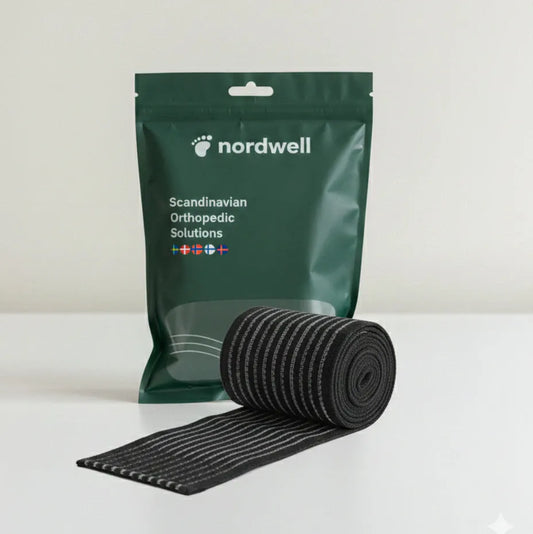
- Elastic knee supports for milder symptoms
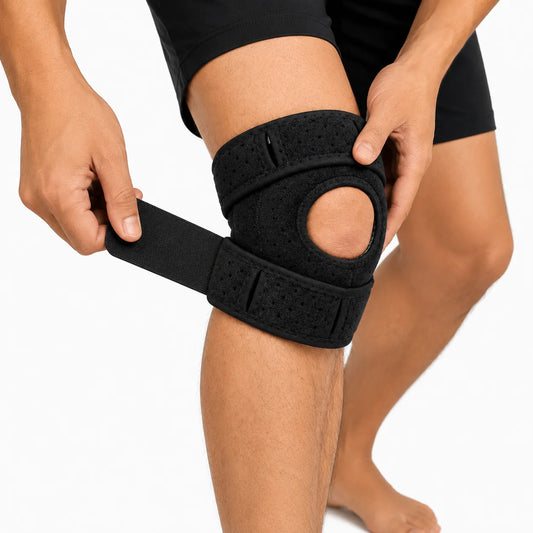
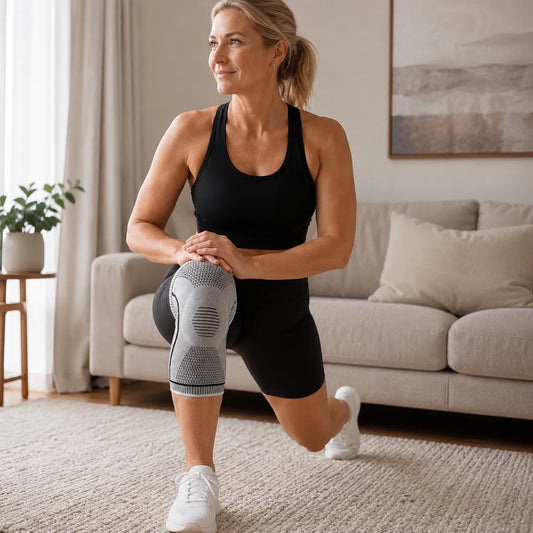
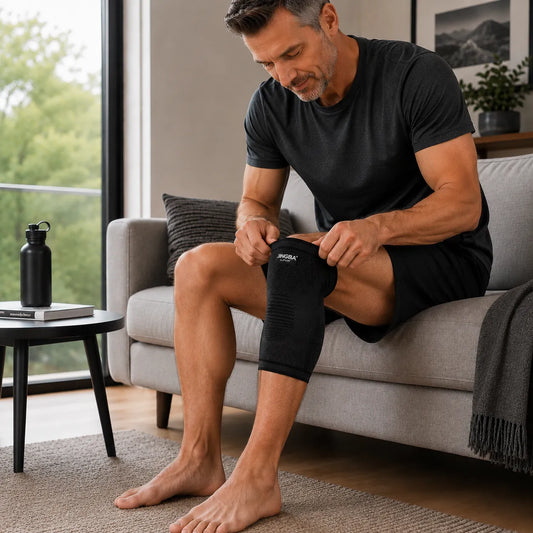
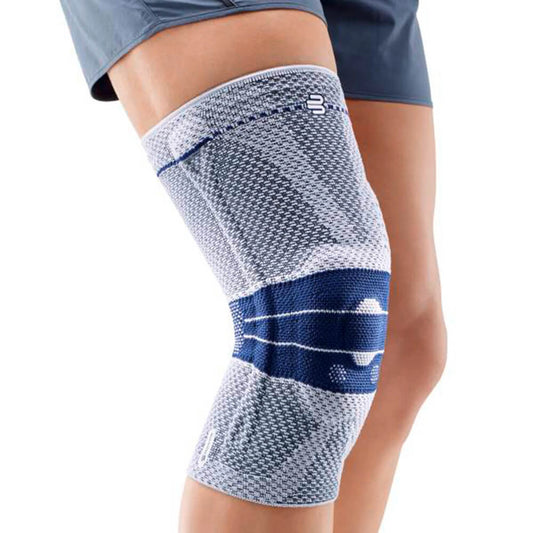
- Compression supports for everyday use and exercise
- Stabilizing knee braces with splints
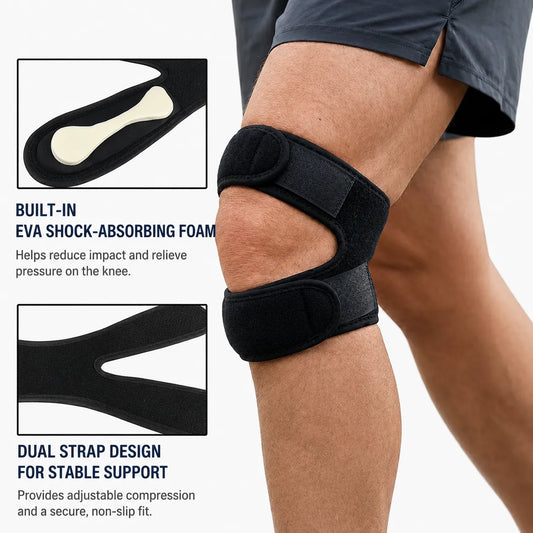
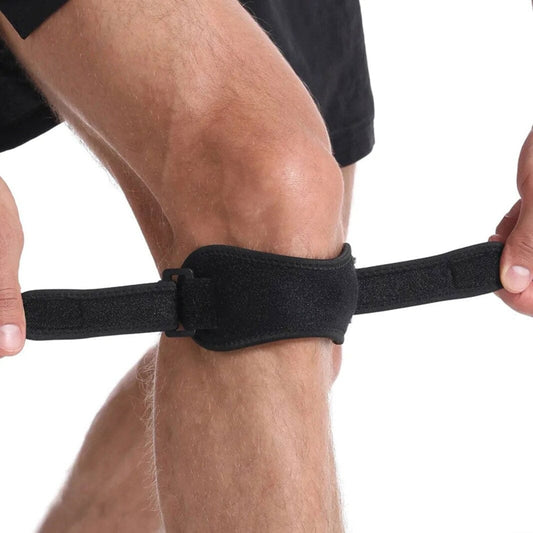
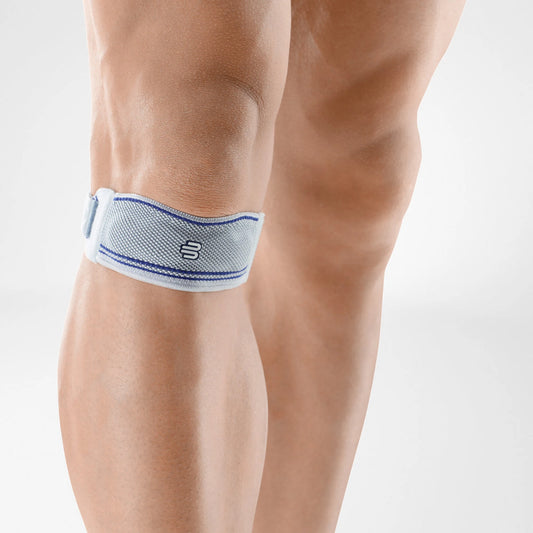
- Patellar supports for runner's knee or jumper's knee
- More rigid braces for injuries
The choice depends on how much support you need and how the symptoms affect your daily life.
When should you use a knee support?
Knee supports can be used both for injuries and for preventive purposes.
It is particularly useful:
- During exercise and sports
- For work that puts strain on the knees
- After an injury or surgery
- For long-lasting pain or instability
Using support at the right time can reduce the risk of the symptoms becoming long-lasting.
Frequently asked questions about knee supports
Do knee supports provide immediate relief?
Many people experience rapid relief thanks to compression and stability.
Can you exercise with a knee support?
Yes, it is often used to provide support and reduce strain during activity.
How long should you use a knee brace?
It depends on the symptoms, but often during activity or until the pain subsides.
Are knee supports good for overuse injuries?
Yes, it is one of the most common uses.
Read more: Information about meniscus injuries on 1177